
Football Lab

Build More With Less: A Football Playbook Built on Four Core Concepts
A football playbook rarely becomes too complicated all at once. It happens one useful idea at a time. A coach sees a useful formation on


Home » Blog
Learn about the latest for Hoops Lab, Lacrosse Lab, and Football Lab.
A football playbook rarely becomes too complicated all at once. It happens one useful idea at a time. A coach sees a useful formation on

Watch an Andy Reid offense for long enough and you’ll notice something interesting. Whether the quarterback is Donovan McNabb, Alex Smith, Patrick Mahomes, or someone

For generations, the lacrosse community has proudly called our sport “the medicine game.” We repeat the phrase at banquets, stitch it onto pinnies, and teach it to our youth players. But what happens when a community takes that foundational, sacred concept and puts it to work in an urban landscape navigating gun violence, economic disparities, and systemic mental health challenges?

Before the snap, Peyton Manning often appeared to be processing everything. He pointed at linebackers. He changed protections. He moved receivers. He studied the secondary

Most football concepts are built around creating conflict. Some attack defenders horizontally. Others attack them vertically. The Flood concept does something slightly different. It layers

Most football plays fade over time. Defenses adjust. Terminology changes. Coaching trends move on. Mesh stayed. It survived the Air Raid era, the spread revolution,

Right around this time of year, football starts creeping back in. The NFL Draft is on. Rosters are taking shape. And if you’re coaching, you’re

At the end of the 2026 basketball season, we asked Hoops Lab users a simple question: “How likely are you to recommend Hoops Lab to
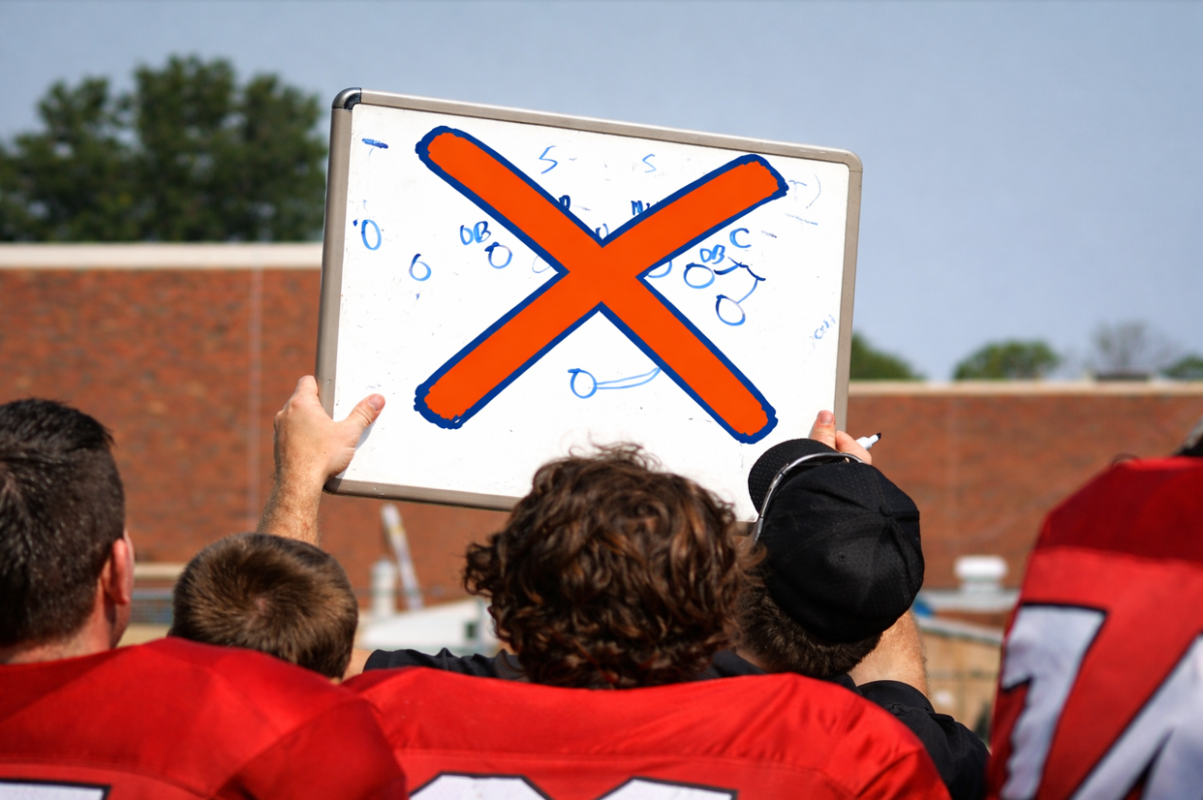
Many football coaches still rely on the same practice routine: draw the play on a whiteboard, explain assignments, and run the drill. The problem is

It’s ten minutes into practice, and you’re still explaining spacing. Modern motion offense basketball systems demand timing, reads, and continuity, but too often, valuable practice